A successful multifamily development begins long before construction starts.
The quality of the opportunity depends on how well the project responds to its market, location, future residents, and long-term operational realities.
A site may appear attractive because of population growth or nearby development activity. However, successful multifamily development requires a much broader evaluation.
Developers and ownership groups should understand:
- Who is likely to live in the community.
- Why renters would choose the location.
- How much new supply is entering the market.
- Whether rents can support the development plan.
- How residents will access employment, shopping, and entertainment.
- Which amenities will create real value.
- How the property will operate after construction is complete.
- Whether the surrounding area has sustainable long-term growth potential.
The strongest development opportunities connect these factors into one clear strategy.
Location Creates the Foundation
Location remains one of the most important elements of multifamily development.
However, evaluating location requires more than identifying a growing city or finding available land.
A strong location should be considered in relation to the daily life of the future resident.
Key questions include:
- Where are major employment centers?
- How long are typical commute times?
- Is the site close to retail and essential services?
- Are restaurants and entertainment nearby?
- Is public transportation available?
- Are major roads and highways easily accessible?
- Is the surrounding neighborhood growing?
- Are there future infrastructure investments planned?
A strong site does not have to be located in the center of a major city.
Suburban locations can also create compelling opportunities when they offer employment access, schools, retail, recreation, transportation connections, and a lifestyle that matches renter preferences.
The most important question is not simply, “Is this a good location?”
The better question is, “Is this the right location for the residents this community is designed to serve?”
Demographics Help Define the Opportunity
Strong multifamily development opportunities are supported by a clear understanding of local demographics.
Population growth can be an encouraging indicator, but developers should look deeper.
Important demographic information may include:
- Household growth.
- Age distribution.
- Household income.
- Employment growth.
- Household size.
- Migration patterns.
- Rentership rates.
- Homeownership affordability.
- Major local industries.
For example, a community designed primarily for young professionals may require a different mix of unit types, amenities, and common spaces than a property serving families or older renters.
Demographic analysis should influence decisions throughout the development process.
It can shape unit mix, apartment sizes, parking ratios, pet amenities, fitness spaces, coworking areas, outdoor spaces, and pricing strategy.
Development becomes stronger when the physical property is designed around an identifiable market rather than a general assumption about renter demand.
Market Demand Must Be Sustainable
A growing population does not automatically guarantee a successful apartment development.
Developers should evaluate both current demand and the potential effect of future supply.
Market analysis should consider:
- Current occupancy levels.
- Rental rate trends.
- Concession activity.
- Lease-up performance of recent developments.
- New projects under construction.
- Proposed developments.
- Unit types with the strongest demand.
- Areas with potential oversupply.
- Seasonal leasing patterns.
A market may currently show strong occupancy while also having a significant number of new units scheduled to deliver during the development timeline.
The development opportunity must therefore be evaluated in the context of what the market may look like when the property actually opens.
Strong opportunities are based on realistic demand expectations, not only current market conditions.
Walkability and Accessibility Influence Daily Life
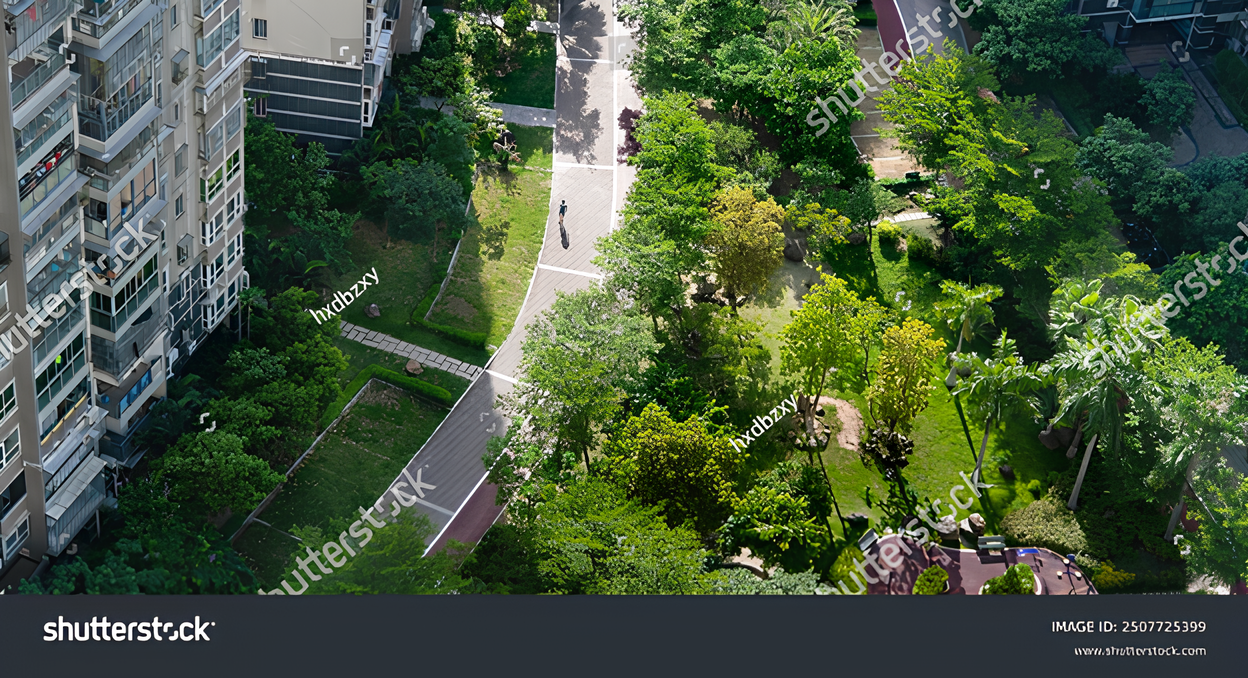
Residents evaluate more than the apartment itself.
They also consider how easily they can get to work, buy groceries, visit restaurants, exercise, and enjoy their free time.
Walkability can be especially valuable in locations where residents can access:
- Restaurants.
- Coffee shops.
- Grocery stores.
- Fitness facilities.
- Parks.
- Entertainment.
- Public transportation.
- Community services.
In more suburban markets, accessibility may be more important than traditional walkability.
Easy highway access, manageable commute times, convenient parking, and proximity to major retail centers can significantly influence renter decisions.
The appropriate balance depends on the market.
A successful development opportunity understands how residents actually move through the area and how the location supports their everyday routines.
Amenities Should Match the Resident
Amenities can help differentiate a community, but more amenities do not automatically create a better property.
The most effective amenity strategy begins with understanding the resident profile.
Depending on the market, valuable amenities may include:
- Fitness and wellness spaces.
- Coworking rooms.
- Package management.
- Pet areas.
- Outdoor gathering spaces.
- Pools.
- Grilling areas.
- Clubrooms.
- Secure bike storage.
- EV charging.
- Smart home technology.
Amenities should be evaluated based on demand, cost, maintenance requirements, and the property’s market positioning.
An expensive feature that residents rarely use may increase operating complexity without creating enough value.
A simpler amenity that supports a frequent daily need may have a stronger impact on resident satisfaction.
The goal is not to create the longest amenity list.
The goal is to provide features that support the lifestyle and expectations of the target renter.
Long-Term Growth Potential Matters
Development decisions should consider what the surrounding area may become, not only what it is today.
Positive indicators may include:
- Employment expansion.
- Corporate relocations.
- Transportation improvements.
- New retail development.
- School investment.
- Healthcare expansion.
- Public infrastructure projects.
- Population migration.
- Neighborhood revitalization.
However, growth expectations should be evaluated carefully.
Not every announced project will be completed, and short-term growth does not always continue indefinitely.
Strong opportunities combine current market fundamentals with credible signs of future demand.
A development should be positioned to remain relevant as the surrounding neighborhood evolves.
Operational Considerations Should Begin Before Construction Ends
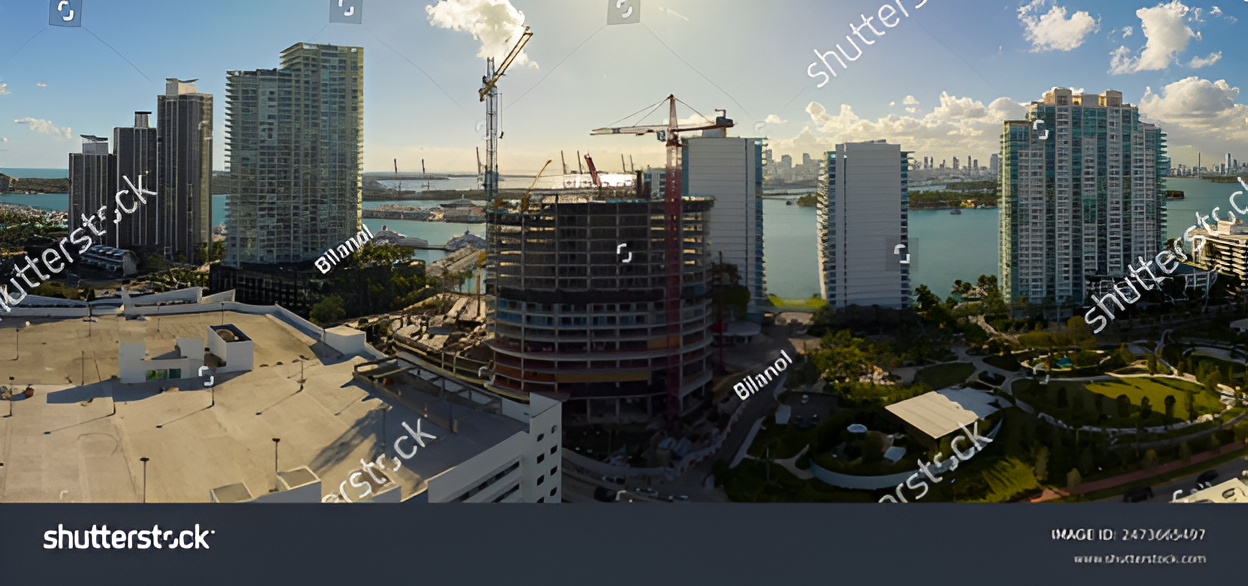
Development and operations should not be treated as completely separate phases.
Decisions made during design and construction can significantly influence future property performance.
Operational planning should consider:
- Leasing office location.
- Model unit strategy.
- Resident traffic flow.
- Package delivery.
- Maintenance access.
- Storage requirements.
- Trash collection.
- Parking management.
- Security systems.
- Technology infrastructure.
- Move-in procedures.
- Amenity supervision.
- Staffing requirements.
A design choice that appears minor during development may create recurring operational challenges after opening.
Early collaboration between developers, owners, construction teams, and property management professionals can help identify these issues.
The strongest development opportunities are not only attractive on paper.
They are designed to operate efficiently.
The Business Plan Must Match the Market
Every development has a financial plan.
The question is whether that plan is supported by realistic market assumptions.
Ownership groups should evaluate:
- Projected rents.
- Rent growth assumptions.
- Lease-up timeline.
- Concession expectations.
- Operating expenses.
- Staffing requirements.
- Marketing costs.
- Competitive positioning.
- Renewal assumptions.
- Long-term maintenance costs.
An aggressive business plan can create pressure to achieve rents or leasing velocity that the market may not support.
A strong opportunity combines ambition with realistic assumptions.
The objective is to create a property that can compete successfully through different stages of the market cycle.
A Strong Opportunity Connects Market, Product, and Operations
The most successful multifamily development opportunities are rarely defined by one single advantage.
A great location cannot completely compensate for a product that does not fit the renter.
Strong demographics cannot eliminate the risk of excessive new supply.
A beautiful property may still struggle if operations are inefficient or pricing is disconnected from the market.
The strongest opportunities bring several elements together:
- A location that supports resident needs.
- Demographics that align with the product.
- Sustainable renter demand.
- Appropriate unit types.
- Relevant amenities.
- Convenient accessibility.
- Realistic financial assumptions.
- Efficient operations.
- Long-term neighborhood potential.
When these elements support one another, the development has a stronger foundation for long-term performance.
Conclusion
A strong multifamily development opportunity is about more than identifying a growing market or an available piece of land.
Successful development requires an understanding of location, demographics, renter demand, accessibility, amenities, future growth, competitive supply, and long-term operations.
Each factor should support a clear vision for the property and the residents it is intended to serve.
The best opportunities are created when market research, design decisions, financial planning, and property operations work together.
By evaluating the complete picture early, ownership and development teams can make better decisions and create communities positioned for sustainable long-term performance.
Frequently Asked Questions About Strong Multifamily Development Opportunity
What makes a location attractive for multifamily development?
A strong location generally provides access to employment, transportation, retail, services, recreation, and other daily needs. The most important factor is whether the location supports the lifestyle and priorities of the target renter.
Why are demographics important in apartment development?
Demographic information helps developers understand who may rent at the property. Household growth, age, income, employment, migration, and household size can influence unit mix, amenities, pricing, and marketing strategy.
How should developers evaluate multifamily demand?
Developers should review current occupancy, rents, concessions, lease-up performance, renter growth, competing properties, and the pipeline of future apartment supply.
Are amenities always important for new apartment developments?
Amenities can support leasing and resident satisfaction when they match the needs of the target market. The most successful amenity strategies focus on usefulness, resident demand, operational cost, and competitive positioning.
Why should property management be involved during multifamily development?
Property management professionals can provide insight into leasing, maintenance access, resident traffic, packages, parking, staffing, amenities, and other operational issues that may be affected by development decisions.
How does long-term growth affect a multifamily development opportunity?
Employment expansion, population growth, transportation improvements, infrastructure investment, and neighborhood development may support future rental demand and help a property remain competitive over time.