Preparing an apartment community for sale is not simply a matter of choosing a broker and listing the asset.
The months leading up to a potential sale can provide ownership with an opportunity to improve how the property is presented, strengthen operations, organize information, and reduce issues that could create concern during buyer review.
Preparation does not mean making unnecessary changes or chasing every possible improvement.
It means understanding which parts of the property and operation are likely to influence buyer confidence.
Important areas may include:
- Occupancy and leasing momentum.
- Property appearance.
- Maintenance performance.
- Online reputation.
- Financial reporting.
- Collections and delinquency.
- Marketing presentation.
- Operational consistency.
A well-prepared property allows prospective buyers to understand the asset more clearly and evaluate its future potential with greater confidence.
Start With the Property’s Operational Story
Every apartment community has a performance story.
Before bringing a property to market, ownership should understand what that story looks like from a buyer’s perspective.
Questions may include:
- Is occupancy stable?
- Is the property gaining or losing leasing momentum?
- Are concessions increasing?
- Are renewals healthy?
- Is delinquency controlled?
- Are expenses aligned with the budget?
- Are maintenance requests being resolved efficiently?
- Are reviews improving or declining?
- Are major capital needs clearly documented?
A single weak metric does not necessarily make a property unattractive.
However, unexplained trends can create uncertainty.
The goal is to understand performance patterns and be able to explain the operational reasons behind the numbers.
Improve Occupancy Without Hiding Problems
Occupancy will naturally receive significant attention during a property sale.
However, ownership should avoid focusing only on the headline number.
Buyers may also evaluate:
- Economic occupancy.
- Effective rents.
- Concession levels.
- Delinquency.
- Renewal performance.
- Upcoming move-outs.
- Average vacancy days.
- Leasing velocity.
- Unit availability.
Increasing occupancy through aggressive incentives may improve physical occupancy but create questions about rental demand or pricing.
A stronger approach is to improve the entire leasing process.
This may include:
- Faster lead follow-up.
- Better tour experiences.
- Improved listing quality.
- Clear pricing.
- Better unit readiness.
- Stronger prospect communication.
- More focused marketing.
Sustainable leasing performance is usually more valuable than a temporary increase that depends on unusually heavy incentives.
Curb Appeal Shapes the First Impression
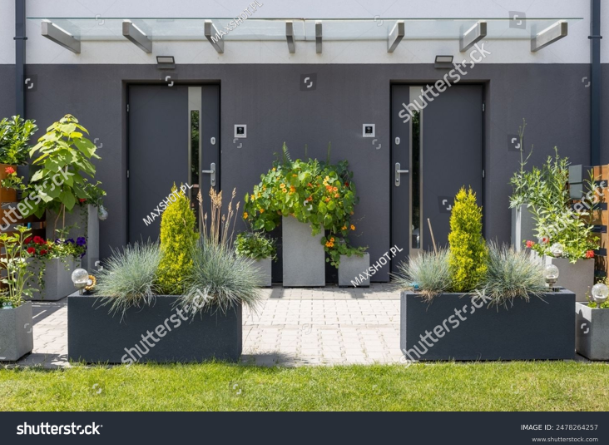
Property presentation begins before a buyer enters the leasing office or reviews a unit.
Exterior condition can immediately influence how the property is perceived.
Ownership and management teams should review:
- Landscaping.
- Exterior lighting.
- Signage.
- Paint condition.
- Parking areas.
- Walkways.
- Building entrances.
- Trash areas.
- Pool decks.
- Clubhouses.
- Fitness centers.
- Model units.
- Vacant units.
Many presentation improvements do not require major renovation projects.
Consistent cleaning, touch-up paint, landscape maintenance, clear signage, repaired lighting, and organized common areas can make a meaningful difference.
The objective is to show that the property is actively managed and cared for.
Online Reputation Should Not Be Ignored
A prospective buyer may review the property’s online reputation just as a prospective resident would.
Ratings and resident comments can provide insight into:
- Maintenance response.
- Staff communication.
- Billing concerns.
- Cleanliness.
- Safety perceptions.
- Move-in experiences.
- Move-out experiences.
- Amenity condition.
Before a potential sale, management should review recurring reputation patterns.
The objective is not to create an artificially perfect rating.
Instead, ownership should understand whether the online reputation reflects unresolved operational problems.
Repeated complaints about the same issue may indicate that additional operational attention is needed.
Consistent, professional responses and visible improvement can demonstrate stronger management practices.
Maintenance Performance Should Be Organized and Visible
Maintenance can influence both resident satisfaction and buyer perception.
Before bringing the asset to market, ownership should understand:
- Open work orders.
- Average response times.
- Preventive maintenance schedules.
- Recurring property issues.
- Major equipment condition.
- Vendor relationships.
- Deferred maintenance.
- Unit turn timelines.
- Capital improvement history.
Outstanding issues should be reviewed and prioritized.
Some problems may be simple to resolve before sale.
Others may require documentation so potential buyers clearly understand the condition, history, and future needs of the asset.
A property does not have to be perfect.
However, organized maintenance records and a clear understanding of current conditions can reduce uncertainty.
Financial Performance Needs a Clear Explanation
Financial performance is central to the evaluation of a multifamily asset.
Ownership should review whether reports are complete, organized, and consistent.
Important information may include:
- Rental income.
- Other income.
- Collections.
- Delinquency.
- Concessions.
- Payroll.
- Maintenance expenses.
- Utilities.
- Marketing expenses.
- Vendor costs.
- Turnover costs.
- Budget variances.
- NOI trends.
Buyers may be interested not only in the current numbers but also in what is causing changes.
For example, an increase in marketing costs may be connected to slower leasing velocity.
Higher turnover expenses may be related to declining retention.
Utility increases may indicate opportunities for operational improvement.
Strong financial reporting helps ownership explain the relationship between operations and financial outcomes.
Unit Readiness Can Affect Perception
Vacant units and model apartments should be reviewed carefully.
A unit that is technically available but poorly prepared can create the wrong impression.
Teams should check:
- Cleanliness.
- Paint.
- Flooring.
- Appliances.
- Fixtures.
- Lighting.
- Doors and hardware.
- Odors.
- Window coverings.
- Final maintenance details.
The objective is to ensure the property’s available inventory reflects the quality standard ownership wants buyers to associate with the community.
This also supports ongoing leasing performance during the sale process.
Marketing Materials Should Reflect the Actual Property
Before sale, ownership should review the property’s marketing presence.
This may include:
- Website photography.
- Apartment listings.
- Floor plans.
- Amenity information.
- Unit descriptions.
- Social profiles.
- Property photography.
- Virtual tours.
- Community maps.
Outdated photos or inaccurate information can create confusion.
Strong marketing materials should accurately present the property, location, amenities, and resident experience.
Updated marketing may also improve current leasing activity while the property is being prepared for market.
Reduce Operational Surprises
Operational consistency can make a property easier to evaluate.
Before the sale process begins, management should review unresolved issues involving:
- Resident communication.
- Vendor contracts.
- Staff responsibilities.
- Delinquency procedures.
- Lease documentation.
- Maintenance records.
- Property policies.
- Technology systems.
- Utility billing.
- Pending projects.
The purpose is not necessarily to change every system.
It is to identify areas that may create confusion or delay during due diligence.
A well-organized operation creates a clearer picture of the property.
Preparation Is About Building Confidence
Preparing a property for sale is ultimately about reducing uncertainty.
Prospective buyers want to understand:
- Current performance.
- Existing risks.
- Operational strengths.
- Physical condition.
- Future opportunities.
Clear reporting, organized records, strong property presentation, and consistent operations can make that evaluation easier.
The goal is not to make the property look artificially perfect.
The goal is to present an accurate, well-managed asset with a clear performance story.
Conclusion
Preparing an apartment community for sale requires attention to both physical presentation and operational performance.
Ownership groups should evaluate occupancy, leasing momentum, curb appeal, online reputation, maintenance, financial reporting, unit condition, and marketing.
The strongest preparation efforts focus on clarity and consistency.
A community that is well maintained, accurately presented, operationally organized, and supported by clear financial reporting gives buyers a stronger foundation for evaluating the asset.
By preparing early, ownership can identify issues, strengthen property performance, and approach the sale process with greater confidence.
Frequently Asked Questions About Preparing an Apartment Community for Sale
When should ownership begin preparing an apartment property for sale?
Preparation should ideally begin well before the property officially enters the market. Starting early allows ownership and management to address operational issues, organize reports, improve presentation, and strengthen leasing performance.
Should occupancy be increased before selling an apartment community?
Strong, sustainable occupancy can support buyer confidence, but ownership should also consider effective rent, concessions, delinquency, renewals, and leasing velocity.
How important is curb appeal when selling a multifamily property?
Curb appeal can significantly influence first impressions. Clean landscaping, working lighting, clear signage, organized common areas, and good exterior maintenance can help demonstrate active property care.
Does online reputation matter during a multifamily sale?
Yes. Online reviews may provide prospective buyers with insight into resident experience, maintenance, communication, cleanliness, and recurring operational concerns.
What financial information should be organized before a sale?
Ownership should have clear information on income, concessions, collections, delinquency, expenses, budget variances, maintenance costs, turnover costs, and NOI trends.
Why is maintenance documentation important before selling?
Maintenance documentation can help buyers understand property condition, preventive maintenance activity, deferred maintenance, equipment history, and potential future capital needs.