
Multifamily real estate continues to evolve.
Renter expectations change. New amenities emerge. Technology influences leasing. Remote and hybrid work affect daily routines.
But one factor remains fundamental.
Location still matters.
For owners, developers, and operators, location influences much more than a property’s address.
It can affect:
- Who the property attracts.
- How residents commute.
- Rental demand.
- Resident retention.
- Market positioning.
- Rent potential.
- Competitive pressure.
- Long-term property value.
The strongest locations support the daily lives of residents while remaining connected to the economic and social activity of the broader market.
Proximity to Employment Supports Demand
Employment access remains a major factor in housing decisions.
Residents may not always choose the apartment closest to their workplace, but commute time and transportation options can influence where they are willing to live.
Owners evaluating a market should understand:
- Major employment centers.
- Growing industries.
- Large local employers.
- Corporate relocations.
- Healthcare employment.
- Education centers.
- Industrial growth.
- Technology corridors.
- Remote and hybrid work patterns.
A location supported by diverse employment sources may have greater resilience than one depending heavily on a single employer or industry.
Even as remote work changes commuting patterns, many renters still value flexibility and convenient access to major employment areas.
Transportation Access Expands the Resident Pool
A property does not need to be located directly in a downtown area to offer strong accessibility.
Transportation access can include:
- Highways.
- Major arterial roads.
- Public transit.
- Light rail.
- Bus routes.
- Bike infrastructure.
- Walkable street networks.
The right form of accessibility depends on the market.
In a dense urban area, transit proximity may be essential.
In suburban markets, highway connections, commute time, and parking may have greater importance.
The key is understanding how residents actually travel and whether the location makes their regular routines easier.
Retail and Everyday Convenience Influence Resident Decisions
Residents interact with the surrounding neighborhood every day.
Access to essential and lifestyle destinations can influence both leasing decisions and long-term satisfaction.
These destinations may include:
- Grocery stores.
- Restaurants.
- Coffee shops.
- Healthcare.
- Fitness facilities.
- Childcare.
- Schools.
- Parks.
- Entertainment.
- Personal services.
Convenience can become an important competitive advantage.
A property that reduces the amount of time residents spend driving for basic needs may offer a stronger lifestyle proposition.
This is especially important as residents increasingly evaluate the complete living experience rather than only the apartment unit.
Entertainment and Recreation Add Lifestyle Value
Where people live is also connected to how they spend their free time.
Access to recreation and entertainment can strengthen a property’s appeal.
Depending on the market, residents may value proximity to:
- Parks.
- Trails.
- Sports venues.
- Music and cultural destinations.
- Restaurants.
- Shopping districts.
- Outdoor recreation.
- Community events.
The importance of each category depends on the resident profile.
A family-oriented suburban community may emphasize parks, schools, and recreation.
An urban property serving younger professionals may benefit from proximity to dining, nightlife, and cultural activity.
The strongest location strategy understands which lifestyle factors matter most to the target renter.
Walkability Creates More Than Convenience
Walkability is often discussed as a lifestyle feature, but it can also affect how residents experience the property.
A walkable location may support:
- Reduced dependence on cars.
- Easier access to retail.
- More neighborhood activity.
- Greater social interaction.
- Better access to parks and services.
- Stronger connection with the surrounding area.
However, walkability should be evaluated realistically.
A property located near retail does not automatically have a walkable environment.
Street design, sidewalks, crossings, lighting, safety, and actual pedestrian connections all matter.
Ownership and development teams should consider the real resident experience rather than relying only on distance measurements.
Neighborhood Growth Can Change Property Performance
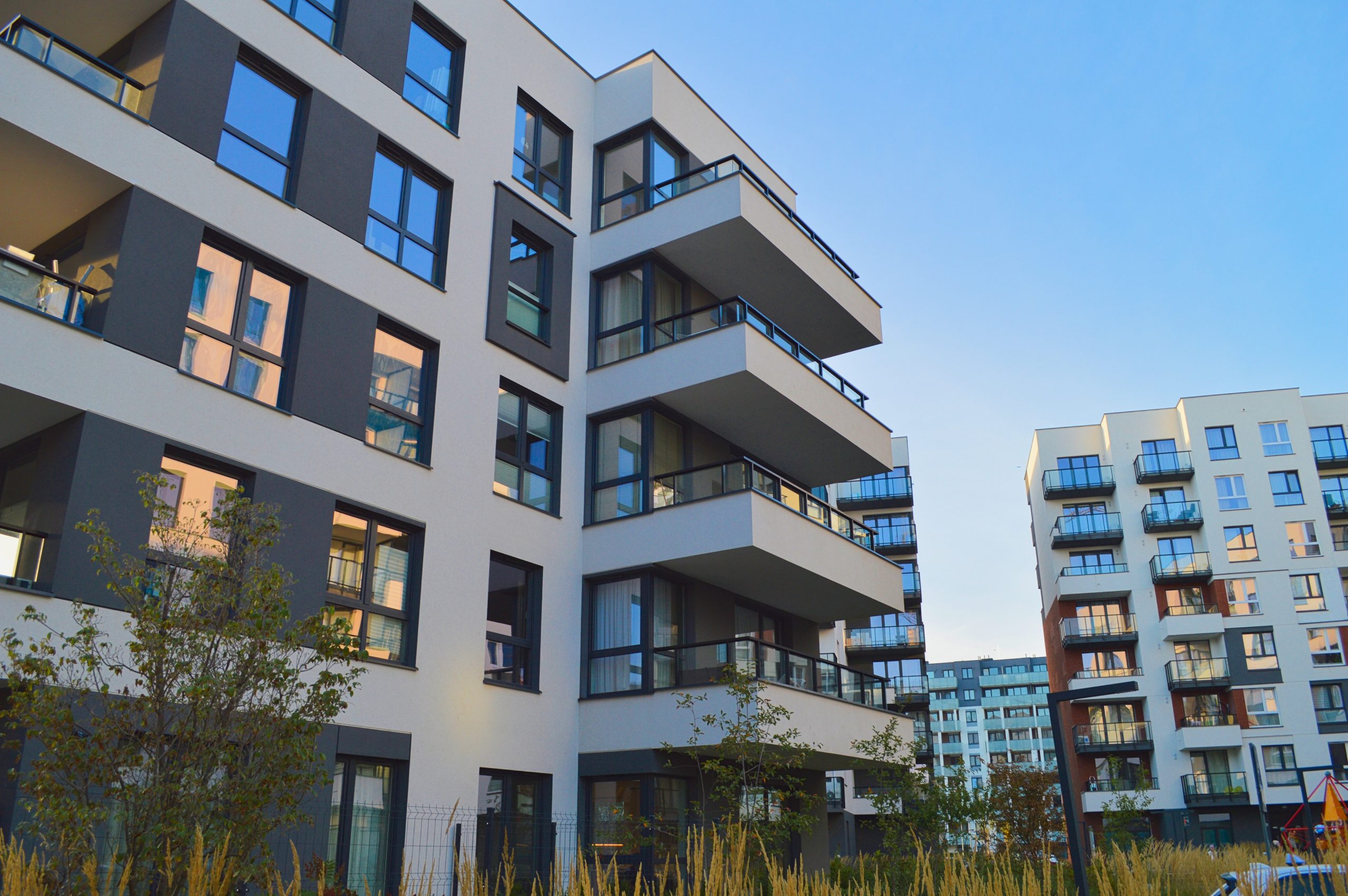
The surrounding neighborhood can change significantly during the life of a multifamily asset.
New development may bring:
- Employment.
- Retail.
- Restaurants.
- Transportation improvements.
- Schools.
- Healthcare services.
- Parks.
- Infrastructure.
These changes can increase the attractiveness of a location.
At the same time, growth can also introduce competition.
New apartment developments may offer newer finishes, larger amenity packages, and aggressive lease-up concessions.
That is why neighborhood growth should be evaluated from multiple perspectives.
Owners should consider both the additional demand created by growth and the competitive pressure created by new supply.
Location Affects Operational Strategy
Location influences how a property should be operated and marketed.
For example, a property near a major employment district may benefit from marketing focused on convenience and commute time.
A community near outdoor recreation may emphasize equipment storage, pet amenities, or active lifestyle features.
A transit-connected property may highlight car-free convenience.
Location can also influence:
- Leasing seasonality.
- Marketing channels.
- Resident demographics.
- Parking demand.
- Amenity use.
- Unit mix preferences.
- Staffing needs.
- Competitive positioning.
Strong property management does not treat every community the same.
Operations and marketing should reflect the specific realities of the location.
A Good Location Still Requires Strong Execution
Location is important, but it does not replace good property management.
A well-located property can still struggle because of:
- Poor resident communication.
- Slow maintenance response.
- Weak leasing follow-up.
- Poor online reviews.
- Inconsistent property presentation.
- Pricing that does not reflect the market.
- Lack of operational discipline.
Location can create opportunity.
Operations determine how effectively that opportunity is converted into long-term performance.
The strongest properties combine location advantages with consistent resident service, effective leasing, strong marketing, and disciplined financial management.
The Definition of a Strong Location Can Change
Locations are not static.
Employment centers move.
Transportation improves.
Retail districts grow or decline.
Neighborhoods change.
Resident preferences evolve.
This means owners should continue evaluating location even after acquisition or development.
Questions to monitor may include:
- Where is new employment growth occurring?
- How are commute patterns changing?
- What new developments are planned?
- Is retail activity increasing?
- Are renter demographics changing?
- Is transportation infrastructure improving?
- Is new apartment supply increasing?
Understanding these changes can help ownership adjust pricing, marketing, amenities, capital planning, and long-term strategy.
Conclusion
Location remains one of the most important factors in multifamily real estate.
Its importance extends beyond the physical address.
Employment access, transportation, retail, entertainment, walkability, and neighborhood growth all influence how residents experience a community and how an asset performs over time.
A strong location can support demand, leasing performance, resident satisfaction, and long-term market positioning.
However, location should always be evaluated in context.
The most successful multifamily properties understand who their residents are, why they choose the neighborhood, and how the surrounding area is changing.
When strong location fundamentals are combined with effective operations, thoughtful marketing, and a positive resident experience, multifamily assets are better positioned for sustainable performance.
Frequently Asked Questions
Why is location important in multifamily real estate?
Location can influence renter demand, commute convenience, access to services, resident satisfaction, market positioning, and long-term property performance.
How does proximity to employment affect apartments?
Access to major employers and employment districts can increase convenience for residents and support rental demand, particularly when commute times and transportation connections are favorable.
Is walkability important for every apartment community?
The importance of walkability varies by market and renter profile. In some locations, residents prioritize pedestrian access, while suburban renters may place greater value on convenient highway access and parking.
How does retail access influence multifamily demand?
Nearby grocery stores, dining, healthcare, fitness, and services can make daily life more convenient and strengthen the overall resident experience.
Can neighborhood growth increase multifamily property value?
Neighborhood growth can improve demand through new jobs, retail, transportation, infrastructure, and community investment. However, owners should also evaluate whether new development will increase apartment competition.
Can a well-located property still perform poorly?
Yes. Strong location fundamentals cannot replace effective property management. Resident service, maintenance, leasing, pricing, marketing, and financial discipline all influence performance.